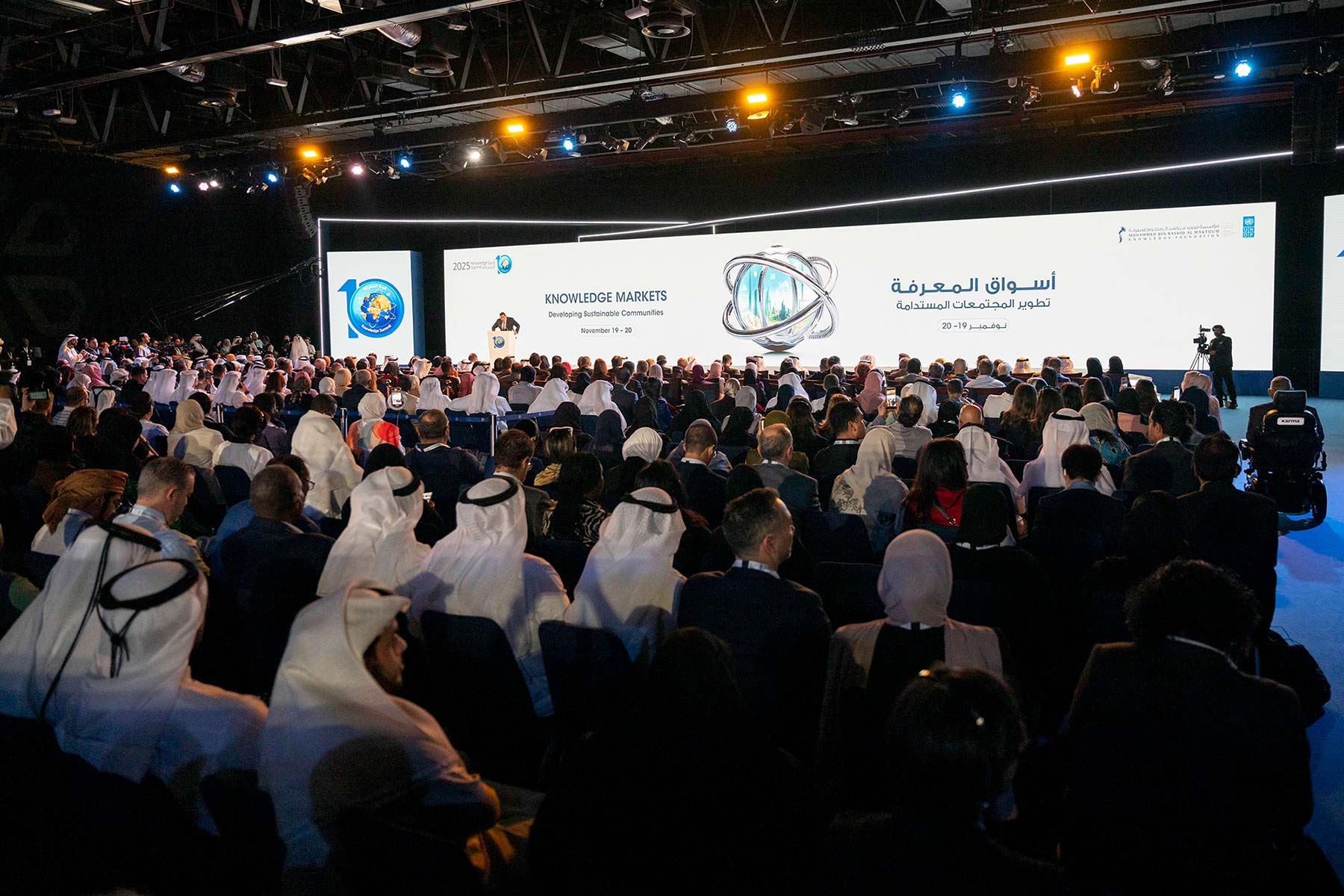
The American University in Dubai (AUD) took part in high-level discussions at the 10th Knowledge Summit 2025, contributing expertise to global dialogues on building sustainable knowledge economies and harnessing advanced technologies, artificial intelligence, and innovation to drive inclusive growth.
The Summit, organized by the Mohammed bin Rashid Al Maktoum Knowledge Foundation (MBRF) in partnership with the United Nations Development Programme (UNDP), brought together more than 130 speakers representing over 100 countries. Sessions underscored the growing importance of international collaboration, public–private partnerships, and innovation-led ecosystems in improving quality of life, accelerating economic resilience, and empowering youth and entrepreneurs worldwide.
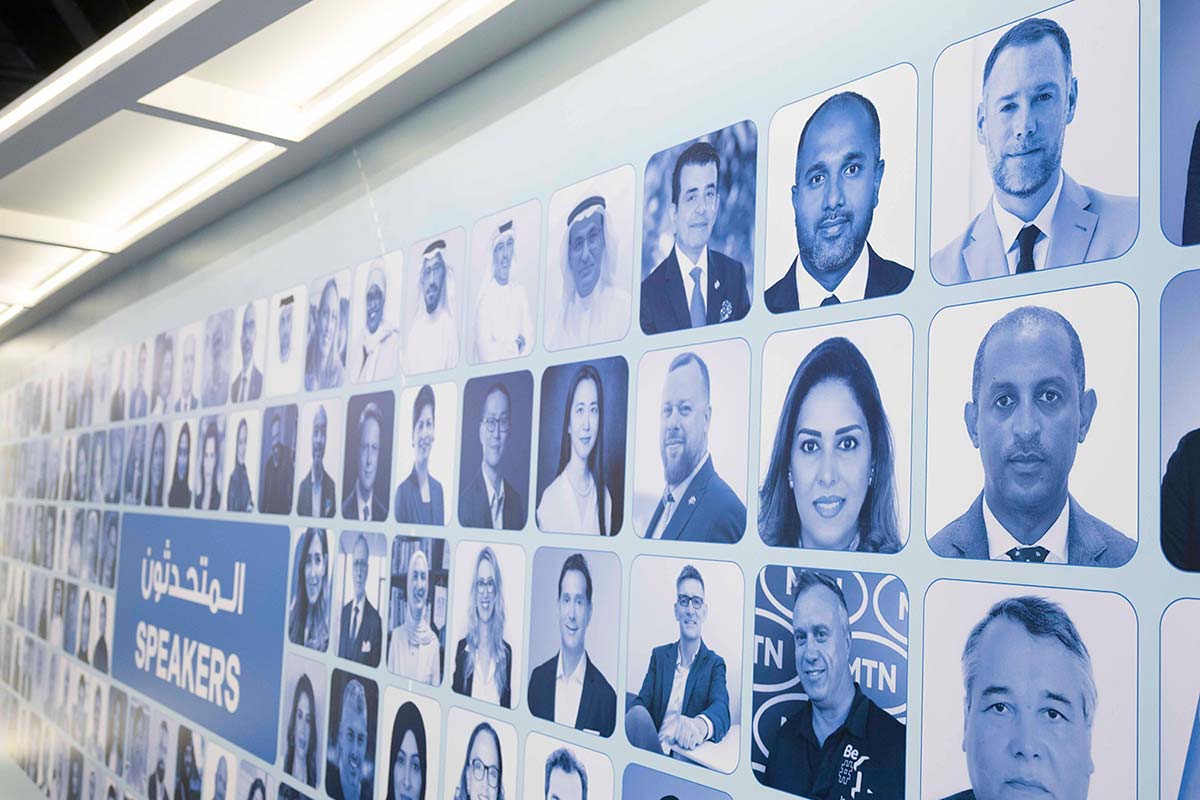
Held under the theme “Knowledge Markets: Developing Sustainable Communities,” the summit examined how education, innovation, and emerging technologies are shaping the next generation of knowledge markets. AUD participated in four key sessions, showcasing the University’s growing role in advancing research, data governance, and skills-oriented learning for the region.

AUD’s contributions included insights from President Dr. Kyle Long who joined the panel “The Future of Learning: Beyond Degrees to Skills.” Dr. Long addressed the evolving demands of the global workforce and highlighted the need to bridge the gap between formal education and practical skills. The panel also emphasized strengthening the link between learning, employability, and civic participation, and shared promising models and pilot initiatives emerging from the region and beyond.

The University was also represented by Dr. Nadera Al Borno, Dean of the Graduate School of Education, who moderated the session “Education for Sustainable Knowledge Economies.” She led a discussion on education as a core pillar of sustainable knowledge ecosystems, reviewing key trends, Global Knowledge Index insights, and strategies for aligning education systems to deliver long-term impact.

In the panel “From Raw Data to Real Insight,” Dr. Afaf Tabach, Assistant Professor of Decision Sciences, explored how raw data can be transformed into actionable insights for policymaking. She underscored the importance of making complex information clear and accessible, understanding data limitations, and using effective visualizations to strengthen transparency and accountability.
AUD’s presence also included Dr. Maya Abou Zahr, Assistant Professor of Business Administration, who contributed to the session “Building Knowledge Economies: Driving Growth with Responsibility.” Dr. Abou Zahr discussed how knowledge-based economies are redefining productivity and inclusion, the integration of ESG principles into development models, and the global shift from traditional economic expansion to sustainable and inclusive transformation.
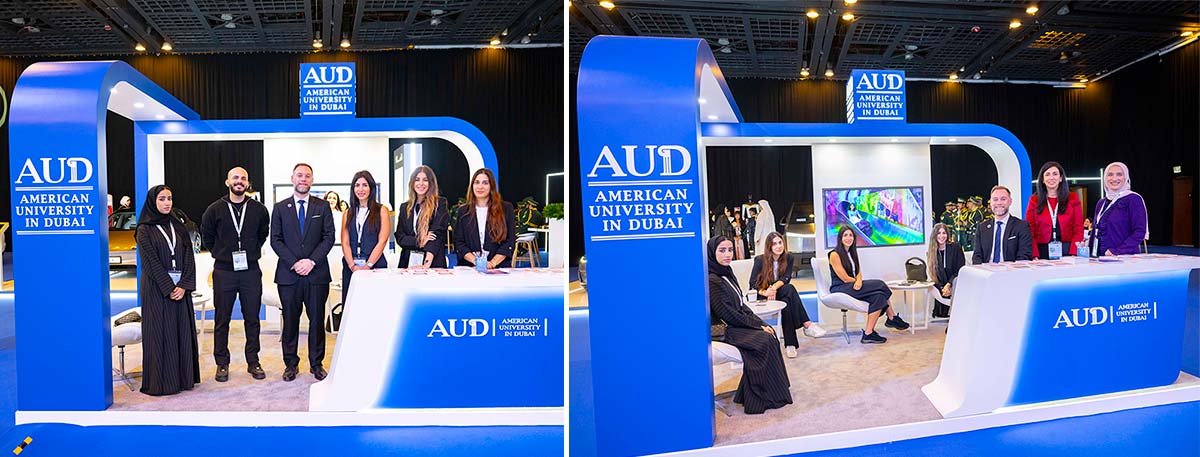
The American University in Dubai’s participation reflects its ongoing commitment to fostering innovation, contributing to knowledge-based dialogue, and preparing future leaders equipped to thrive in an increasingly technology-driven global landscape.